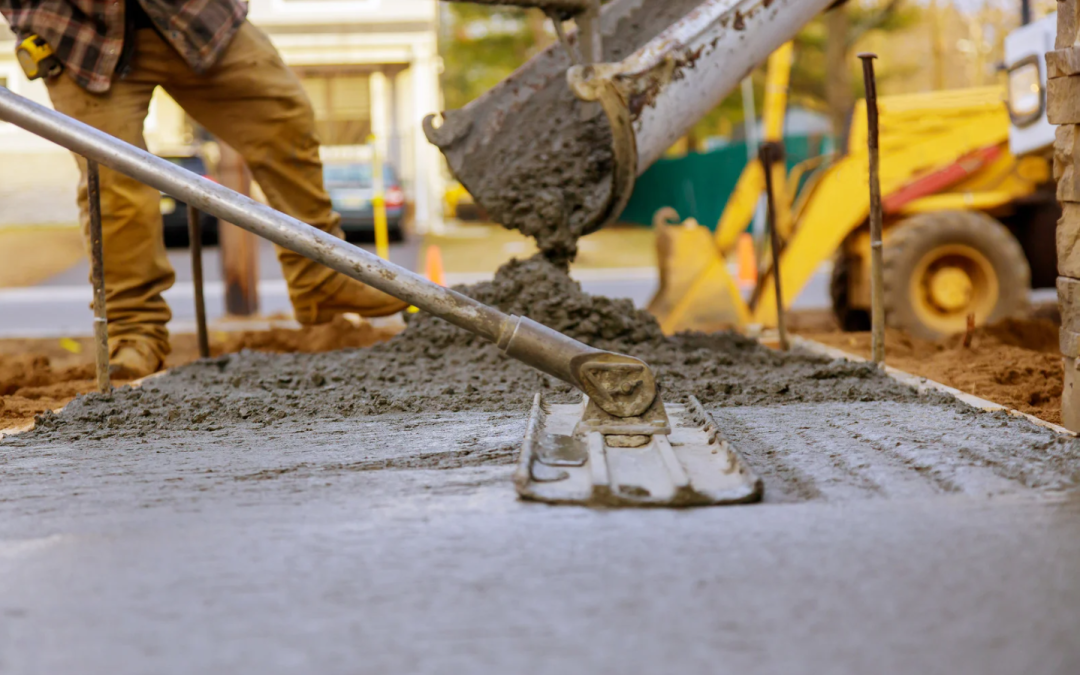
Scenario: Construction Project Without Initial Washout Controls
A mid-size commercial construction project (approximately 5 acres) was underway, involving extensive concrete work for foundations and pavements. Because the project disturbed more than 1 acre of land, it was subject to stormwater regulations requiring a Stormwater Pollution Prevention Plan (SWPPP) with specific measures for managing concrete waste.
The SWPPP for this site identified a designated concrete washout area as a required best practice. However, early in the project, the site superintendent failed to actually set up the planned washout station, either due to oversight or scheduling pressures. Concrete delivery trucks and workers had no clearly designated place to clean out their chutes, tools, and wheelbarrows. After the first concrete pour, crew members rinsed their equipment on open ground near a storm drain, effectively violating stormwater regulations that prohibit dumping concrete waste into drains.

That evening, a heavy rainstorm struck the area. The water poured over the uncontained concrete slurry and washout residue, carrying the highly alkaline runoff into the storm drain and toward a nearby creek. The wash water – a caustic slurry with a pH around 12 (comparable to liquid drain cleaner) – flowed into the creek, turning the water a cloudy grayish-white. By the next morning, the environmental impact was evident: dead fish were spotted downstream and the creek’s aquatic life had been visibly harmed. (In one similar real-world incident, officials described a “pretty significant” fish kill-off after concrete slurry entered a stream. Nearby vegetation along the creek bank was also scorched where the high-pH water had contacted it.
Local environmental authorities and inspectors responded quickly to the incident. Water tests confirmed that the creek’s pH had spiked far above safe levels for aquatic life, and sediment from the concrete had settled in the stream bed. Regulators issued a notice of violation to the construction company for allowing concrete waste to contaminate the stormwater system. The violation of the Clean Water Act and local ordinances meant the project could face severe penalties.
The contractor was hit with an immediate fine and warned that continued non-compliance could result in fines on the order of $10,000+ per day until the issue was resolved. Work on the site was temporarily halted, and an emergency cleanup was initiated to remove the remaining concrete residue from the drain and contain the polluted soil. The incident was a wake-up call for the construction team, highlighting the serious consequences of neglecting a designated concrete washout area.
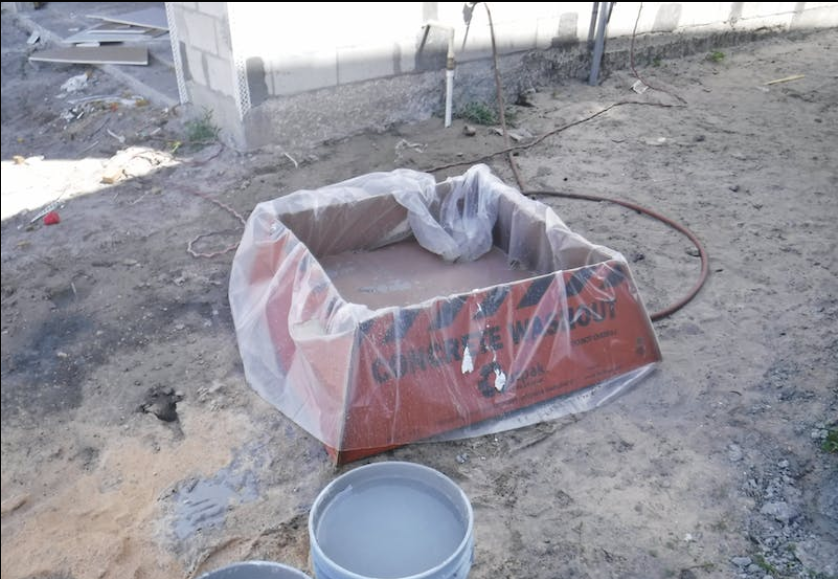
Chastened by the violation, the contractor took prompt action to correct the oversight. The project team established a proper concrete washout area on site before resuming any further concrete work. They selected an area well away from any storm drains or water bodies (over 50 feet distance, or as recommended/required by the local jurisdiction) and excavated a shallow pit, which they lined with heavy plastic sheeting to create a leak-proof containment.
They also brought in a portable pre-fabricated washout container to handle additional capacity. Clear “Concrete Washout” signs were posted to direct truck drivers and workers to the new containment pit. Going forward, after each concrete pour, all chutes, pumps, and tools were washed only in this designated, lined area. The caustic wash water and waste concrete were fully captured in the pit, preventing any further discharge to the surrounding soil. Over time, the washout pit accumulated concrete residues and wastewater, but the crew managed it diligently: once the pit reached about 50–75% of its capacity, they allowed the wash water to evaporate and then shovelled out the hardened concrete for proper disposal off-site.
By implementing these measures (consistent with EPA’s guideline to collect and contain 100% of concrete washout water and solids in leak-proof containers, the site brought itself back into compliance. For the remainder of the project, no additional pollution incidents occurred. Inspectors made frequent visits and found the new concrete washout area functioning effectively to keep contaminated wash water out of the stormwater system.
REGULATORY CONSIDERATIONS
In the United States, both federal and state environmental regulations strictly govern how construction sites manage runoff and waste like concrete wash water. Under the federal Clean Water Act, any construction activity disturbing one acre or more of land (or part of a larger common development) must obtain a stormwater permit under the National Pollutant Discharge Elimination System (NPDES). This permit process requires developing a SWPPP that outlines Best Management Practices (BMPs) to prevent pollution. Concrete truck washout is explicitly listed by the EPA as one of the common construction site pollutants that must be controlled.
EPA’s Construction General Permit (a template many jurisdictions use) includes specific effluent guidelines—the federal Construction and Development (C&D) Rule—which prohibit the discharge of concrete washout water to the environment unless it is managed with appropriate control measures.
This means that concrete wash water cannot be allowed to flow into storm drains, streams, or soil without proper containment. To comply, projects are expected to designate contained washout areas or use approved washout systems so that no wash water leaves the site. In our scenario, the contractor’s failure to have such controls was a direct breach of these EPA requirements.
In addition to federal rules, local and state jurisdictions impose their own regulations and codes to protect stormwater. Most municipal stormwater ordinances make it illegal to discharge materials like concrete mix, cement, or sediment into public storm drains or waterways.
Construction sites are typically required by local law (and permit conditions) to contain all concrete washout and waste on-site. Failure to do so can trigger enforcement by city or county inspectors, who may issue fines or stop-work orders independently of federal action. Because concrete wash water is considered a hazardous pollutant (high pH and toxic chemicals), many jurisdictions also require that a washout area be identified in the construction plans and kept functional at all times. Not having a designated washout area when one is mandated can put a project in violation of both its grading permit and stormwater regulations.
The consequences of non-compliance with concrete washout regulations can be severe. Environmental agencies have the authority to levy significant fines for permitting violations and unlawful discharges. The EPA, for instance, has used fines as high as $11,000 per day, per violation as an incentive for proper disposal of construction pollutants.
Local authorities can also impose penalties or require costly remediation; illegal discharges into waterways can bring fines that accumulate daily. Beyond monetary fines, regulators may halt the project until corrective measures (like installing proper washout facilities) are in place, causing schedule delays that increase costs for contractors and owners.
In our scenario, the contractor’s brush with enforcement resulted in a fine and work stoppage. Had the situation not been addressed, each day of continued violation could have compounded the penalties. This regulatory landscape makes it clear that designating and using concrete washout areas is not optional – it is a legal requirement on regulated construction sites, crucial for avoiding violations of the Clean Water Act and local stormwater laws.
ENVIRONMENTAL IMPACT OF IMPROPER WASTE DISPOSAL
Concrete washout water and waste from construction sites pose a serious threat to the environment if not properly contained. One of the most immediate impacts is on waterways and aquatic life. Fresh concrete wash water is highly alkaline (with a pH around 12) and often contains fine cement particles and chemical additives. When this caustic slurry enters a stream or river, it raises the water’s pH to levels that fish and other aquatic organisms cannot tolerate.
The caustic liquid can burn fish gills and eyes and interfere with their reproduction, essentially poisoning the aquatic habitat. Even the physical sediment can be destructive: fine cement particles can clog fish gills and smother aquatic stream beds, causing asphyxiation of fish and the destruction of invertebrates that fish feed on. The result is often lethal – a significant fish kill can occur in a short time, as observed when concrete runoff caused a die-off of fish in a real-world creek incident. In addition, the sudden surge of high pH water can eliminate sensitive aquatic plants and disrupt the ecological balance of the water body.
When concrete wash water soaks into the ground, it alters the soil chemistry, raising the soil pH to caustic levels. This can inhibit plant growth or even kill vegetation in the area. Soil microorganisms are also impacted by the high alkalinity and toxic components, degrading soil health. Over time, the residue can harden in the topsoil, preventing proper soil aeration and further hindering plant recovery. Areas where washout was dumped often become barren, requiring soil remediation to restore fertility.
Pollutants from concrete washout can leach downward into the groundwater. The wash water typically contains dissolved heavy metals (like chromium, lead, and other components from cement) and other hazardous compounds, which can migrate with percolating water. This raises concerns if the site is above aquifers or near wells used for drinking water. The high pH of the leachate can also mobilize other contaminants in the soil, increasing their toxicity. In essence, a careless concrete washout can create a plume of polluted water underground, risking long-term contamination that is difficult and expensive to clean up.
When washout slurry is carried into storm drains and culverts, it tends to settle and harden inside the pipes. The concrete sediment can build up and obstruct stormwater flow. This loss of drainage capacity often leads to localized flooding during heavy rains, as the water can no longer freely flow through clogged pipes. From an infrastructure standpoint, hardened concrete in pipes is extremely difficult to remove – in many cases, sections of the storm drain may need to be excavated and replaced. Municipalities incur high costs when their stormwater systems are fouled by construction debris. Preventing such outcomes not only protects the environment but also safeguards the community from flood hazards and avoids burdening public infrastructure with costly damage.
BEST PRACTICES FOR CONCRETE WASHOUT AREA MANAGEMENT
Establishing and managing a concrete washout area on a construction site is a straightforward but vital practice. By following best practices, contractors can ensure that concrete wash water and waste are fully contained and properly disposed of, preventing environmental contamination and complying with regulations.
Below are key strategies for effective concrete washout area management:
1. Early Planning and Siting:
Plan for the washout area before concrete work begins. Designate a specific location on-site at least 50 feet away from storm drains, ditches, or water bodies. The spot should be convenient for concrete trucks to access yet isolated enough that any overflow would not reach sensitive areas. If possible, choose a level area and lay down gravel or rock on the approaches to the washout spot to prevent vehicles from tracking concrete residue off-site. On large projects, consider setting up multiple washout stations to accommodate work in different zones of the site.
2. Proper Containment Setup:
Use a leak-proof containment system to collect all concrete wash water and sludge. This can be a lined washout pit or a portable container/bin specifically made for concrete washout. For a temporary pit, dig a hole or build a bermed area and line it with heavy plastic sheeting (impermeable liner) to prevent seepage into soil. Ensure the pit is large enough to hold the expected volume of wash water and waste from multiple washings. Alternatively, prefabricated washout containers (often made of metal or heavy-duty plastic) can be used; these are designed to be watertight and durable. The goal is to collect 100% of the wash water and concrete waste in a controlled container so nothing escapes to the ground. Always check that the containment has no punctures or gaps – even small leaks can cause soil contamination over time.
3. Clear Signage and Communication:
Clearly mark the washout area with signage and make sure all workers and truck drivers know its location. A visible “Concrete Washout” sign or flag can prevent confusion on busy sites. If the washout facility is not immediately obvious from the work area (for instance, if it’s around a corner or behind a stockpile), post directional signs to guide concrete truck drivers to the proper spot. Communicate during pre-pour meetings or daily toolbox talks that all concrete equipment cleanup must occur at the designated washout. By making the location obvious and well-known, you eliminate excuses for improper dumping.
4. Routine Maintenance and Inspection:
Treat the washout area as an active part of the site that requires regular maintenance. Inspect the washout containment daily, and especially after any rain events. Look for tears in liners, structural damage to berms or containers, or any evidence of leakage. Keep an eye on the fill level: a good rule of thumb is not to exceed about 75% of the container’s capacity. When the washout is getting full, take action – either vacuum out the liquid for treatment/disposal or allow it to evaporate, and then remove the accumulated solid concrete chunks. Never let the washout overflow. Before forecasted rain, proactively lower the liquid level (pump it out if necessary) or securely cover the washout area with a tarp or lid. This prevents rainwater from causing an overflow of contaminated water. Maintaining the washout area also means repairing any damage promptly (e.g., replace torn liners) so it remains effective. Regular maintenance ensures the washout system continues to perform as intended throughout the project.
5. Proper Disposal and Recycling:
Managing a washout area includes the final disposal of its contents. Do not leave the concrete waste on site at project completion – plan to remove and dispose of it properly. Once the washout pit or container is filled and the liquid has either been pumped out or evaporated, the remaining hardened concrete sludge should be removed. Break up the dried concrete if needed and load it into trucks for transport to an appropriate disposal facility or a concrete recycler. Many areas have recycling centers where hardened concrete can be crushed and reused as road base, gravel, or recycled concrete aggregate, which is an environmentally responsible outcome. Likewise, any collected wash water that has not evaporated can often be treated (to neutralize pH and remove contaminants) and then disposed of according to local regulations, or even reused for mixing new concrete or for dust control if it meets reuse criteria. By recycling and properly disposing of concrete waste, the site prevents pollution from entering landfills or waterways and may even save on material costs (through reuse of aggregates).
6. Training and Oversight:
Educate all site personnel, including contractors, subcontractors, and concrete truck drivers – about the importance and use of the concrete washout area. This training should be part of site orientation for new workers and reinforced whenever concrete work is being done. Make sure everyone knows that dumping concrete wash water on the ground or near storm drains is strictly prohibited. The construction superintendent or a designated environmental compliance officer should actively monitor concrete pours and washes. If a worker or driver is seen attempting to wash out in an unapproved area, they should be stopped immediately and directed to the proper facility. It can help to include concrete washout requirements in subcontractor contracts and work orders – this holds delivery companies and finishing crews contractually accountable for following the rules. By instilling good practices and oversight, the site management creates a culture of compliance where using the designated washout area is standard procedure, not an afterthought.
OUTCOME AND LESSONS LEARNED
In this case study, the contrast between improper and proper implementation of concrete washout controls was stark. Initially, the neglect of a designated washout area led to a serious environmental incident: alkaline concrete wash water polluted a creek, resulting in fish kills and habitat damage, and triggered regulatory action against the project. This not only harmed the local ecosystem but also caused work delays and financial penalties for the contractor. Once the issue was recognized, the construction team’s corrective action – establishing and managing a proper washout area – effectively prevented any further pollution. For the remainder of the project, all concrete waste was contained and later removed without incident. Environmental inspections passed smoothly, and the project complied with its stormwater permit requirements. The difference in outcomes was clear: with no washout BMP in place, the site had contamination and violations; with proper washout management, the site maintained compliance and protected water quality.
Designating concrete washout areas on construction sites is a simple but vitally important practice. This case study highlights that when such measures are neglected, the consequences can include environmental harm, regulatory fines, and project delays. Conversely, when concrete washout areas are properly implemented and managed, they effectively prevent pollution of stormwater runoff, keeping toxic concrete wash water out of rivers, lakes, and soils. Construction professionals should view concrete washout BMPs not just as a bureaucratic requirement, but as an essential aspect of project management and ethical construction. By incorporating these lessons – planning for containment, following regulations, educating crews, and proactively maintaining washout facilities – site managers can ensure their projects proceed safely, sustainably, and in full compliance with environmental standards. The experience from this scenario serves as a powerful reminder that an ounce of prevention is worth a pound of cure when it comes to managing concrete waste. Every construction site stands to benefit from the diligent use of designated concrete washout areas, protecting both the project’s success and the surrounding environment.
